Strings & Tensions Explained

Master Your Gear with Expert Guidance

Different types of strings

Tennis Strings

Synthetic Gut
A solid nylon-based all-rounder used by many club players.
Pros: Balanced power, control, and comfort; affordable; suits most players.
Cons: Less durable than polyester; not as soft as natural gut; loses tension faster.

Polyester (Monofilament)
A single-strand string designed for spin, control, and durability.
Pros: Very durable; holds control at high swing speeds; great for spin hitters.
Cons: Stiffer on the arm; less power; not ideal for beginners or players with arm issues.

Multifilament
Made from hundreds of microfibres for a soft, cushioned feel.
Pros: Extremely comfortable; great power; gentle on the arm.
Cons: Less durable; can move more in the frame; not as much spin potential as polyester.

Squash Strings

Synthetic Gut
A classic all-round option made from a single nylon core with outer wraps.
Pros: Affordable; balanced mix of power and control; good choice for club players.
Cons: Not as durable as polyester; less comfort than multifilament.


Monofilament / Polyester
A single-strand string built for durability and control.
Pros: Very durable; great for hard hitters; consistent response.
Cons: Stiffer feel; less power and comfort; can be harsher on the arm.

Multifilament
Made from hundreds of microfibres for a soft, lively feel.
Pros: Excellent power and comfort; arm-friendly; great touch and feel.
Cons: Shorter lifespan; tension drop over time; not as durable for heavy hitters.

Badminton Strings

Power String (Repulsion Strings)
Designed for maximum shuttle speed and explosive hitting.
Pros: Explosive power; excellent feel; quick response.
Cons: Less durable; needs more frequent restringing.

Control String
A thicker-gauge option that prioritises accuracy and precision over raw speed.
Pros: Great for control and placement; stable feel; lasts longer than power strings.
Cons: Slightly less repulsion and speed; can feel harder on contact.

Durability String
Built for players who break strings often and need extra longevity.
Pros: Very durable; withstands heavy hitting; cost-effective for frequent players.
Cons: Less feel and touch; not as powerful or lively as thinner strings.
 

Different types of strings​

Tennis Strings

Synthetic Gut
A solid nylon-based all-rounder used by many club players.
Pros: Balanced power, control, and comfort; affordable; suits most players.
Cons: Less durable than polyester; not as soft as natural gut; loses tension faster.

Polyester (Monofilament)
A single-strand string designed for spin, control, and durability.
Pros: Very durable; holds control at high swing speeds; great for spin hitters.
Cons: Stiffer on the arm; less power; not ideal for beginners or players with arm issues.

Multifilament
Made from hundreds of microfibres for a soft, cushioned feel.
Pros: Extremely comfortable; great power; gentle on the arm.
Cons: Less durable; can move more in the frame; not as much spin potential as polyester.

Squash Strings

Synthetic Gut
A classic all-round option made from a single nylon core with outer wraps.
Pros: Affordable; balanced mix of power and control; good choice for club players.
Cons: Not as durable as polyester; less comfort than multifilament.

Monofilament / Polyester
A single-strand string built for durability and control.
Pros: Very durable; great for hard hitters; consistent response.
Cons: Stiffer feel; less power and comfort; can be harsher on the arm.

Multifilament
Made from hundreds of microfibres for a soft, lively feel.
Pros: Excellent power and comfort; arm-friendly; great touch and feel.
Cons: Shorter lifespan; tension drop over time; not as durable for heavy hitters.

Badminton Strings

Power String (Repulsion Strings)
Designed for maximum shuttle speed and explosive hitting.
Pros: Explosive power; excellent feel; quick response.
Cons: Less durable; needs more frequent restringing.

Control String
A thicker-gauge option that prioritises accuracy and precision over raw speed.
Pros: Great for control and placement; stable feel; lasts longer than power strings.
Cons: Slightly less repulsion and speed; can feel harder on contact.

Durability String
Built for players who break strings often and need extra longevity.
Pros: Very durable; withstands heavy hitting; cost-effective for frequent players.
Cons: Less feel and touch; not as powerful or lively as thinner strings.

String Widths & Popular Options Explained

The thickness of a string – also known as the gauge – affects performance, feel, and durability. Here’s how it works:

  • Thinner strings (higher gauge, e.g. 1.20mm / 18) = more feel, control, and spin – but less durability.
  • Thicker strings (lower gauge, e.g. 1.30mm / 16) = more durability and power – but slightly less touch.

Below are some of the most popular string options in tennis, squash, and badminton – all of which we can string your racket with. If we don’t currently have your preferred string in stock, we can order it in with next-day delivery at no extra cost (other than the cost of the string).

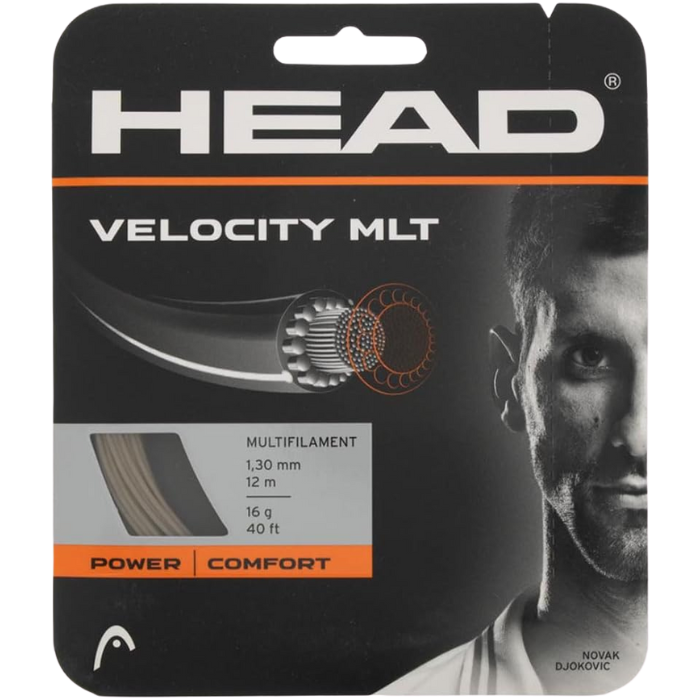
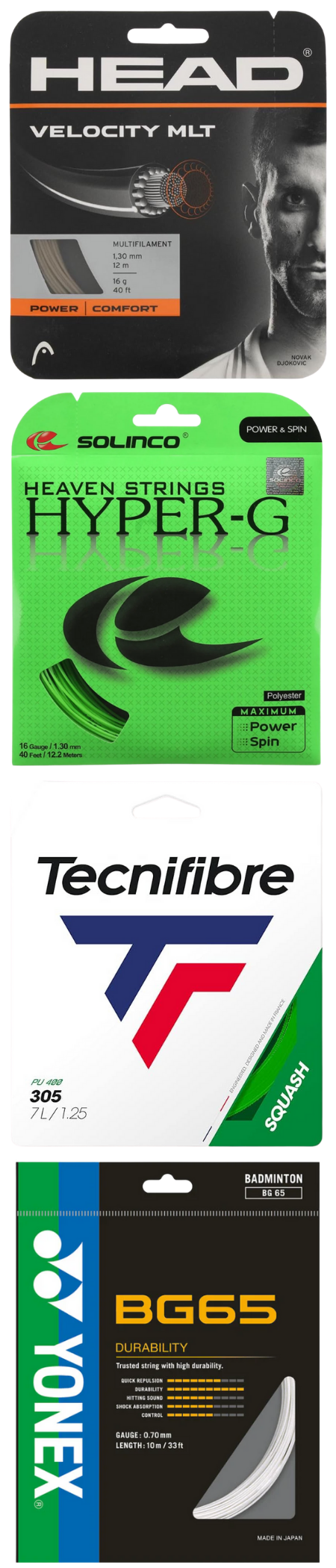
Tennis – Head Velocity MLT

  • Type: Multifilament


  • Gauge/Thickness: 1.30mm (16 Gauge)


  • Good for: Comfort, power, and all-round playability


  • Pros: Very arm-friendly, offers easy power, ideal for intermediate to advanced players


  • Cons: Less spin and control than polyester strings


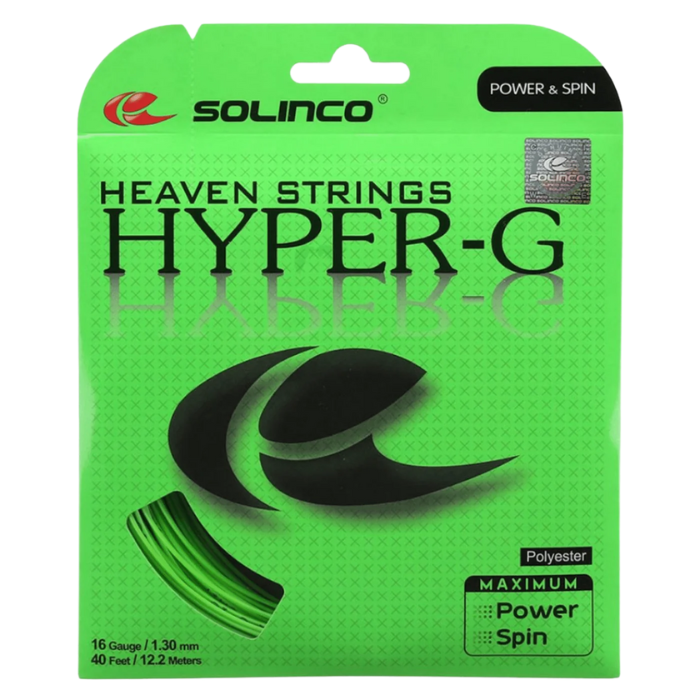
Tennis – Solinco Hyper-G

  • Type: Polyester (monofilament)


  • Gauge/Thickness: 1.25mm (16L Gauge)


  • Good for: Spin, control, and aggressive baseline play


  • Pros: Exceptional spin potential and control, ideal for topspin-heavy players


  • Cons: Firmer feel; can be harsh on the arm if tension is too high


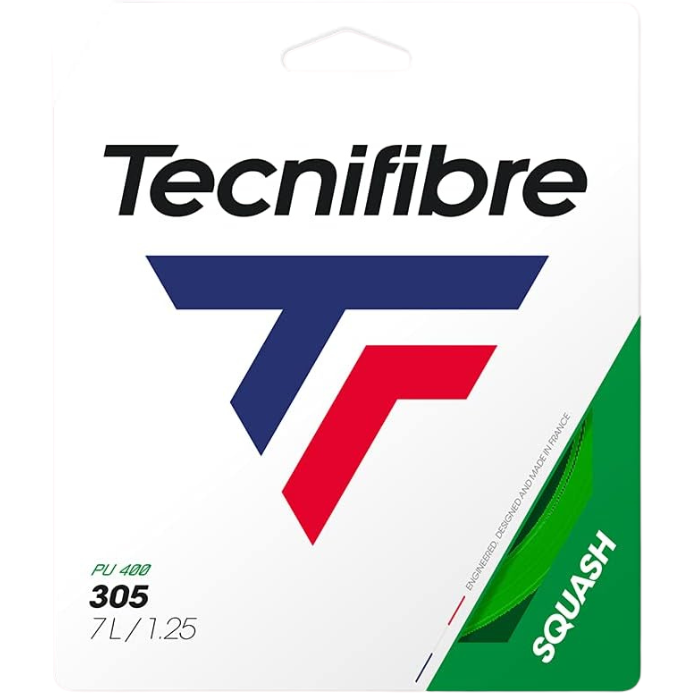
Squash Strings – Tecnifibre 305

  • Type: Multifilament


  • Gauge/Thickness: 1.25mm (7L Gauge)


  • Best for: Touch, control, and finesse


  • Pros: Excellent feel and responsiveness, trusted by pro players


  • Cons: Not as durable as synthetic gut or thicker strings, but offers far superior feel


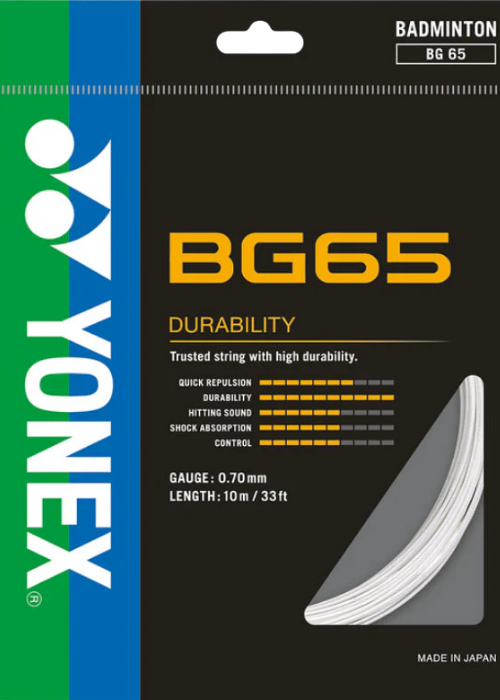
Badminton – Yonex BG65

  • Type: Multifilament / Durability


  • Gauge/Thickness: 0.70mm (16 Gauge)


  • Good for: Durability and reliable all-round play


  • Pros: Long-lasting, excellent tension retention, great for frequent players


  • Cons: Less repulsion and sharp feel than thinner strings


Summary Table

String

Sport

Gauge       

Width (mm)

Best For

Head Velocity MLT

Tennis

16

1.30mm

Comfort & all-round play

Solinco Hyper-G

Tennis

16L

1.25mm

Spin & control

Tecnifibre 305

Squash

7L

1.25mm

Touch & control

Yonex BG65

Badminton

16

0.70mm

Durability & consistency

Need Advice?

Not sure which string suits your game best? Just message us on WhatsApp – we’re happy to help. If your preferred string isn’t in stock, we’ll order it in for next-day delivery at no extra cost (other than the cost of the string) and get your racket strung and ready to go.

Untitled design (18)

String Widths & Popular Options Explained

The thickness of a string – also known as the gauge – affects performance, feel, and durability. Here’s how it works:

  • Thinner strings (higher gauge, e.g. 1.20mm / 18) = more feel, control, and spin – but less durability.
  • Thicker strings (lower gauge, e.g. 1.30mm / 16) = more durability and power – but slightly less touch.

Below are some of the most popular string options in tennis, squash, and badminton – all of which we can string your racket with. If we don’t currently have your preferred string in stock, we can order it in with next-day delivery at no extra cost (other than the cost of the string).

Tennis – Head Velocity MLT

  • Type: Multifilament
  • Gauge/Thickness: 1.30mm (16 Gauge)
  • Good for: Comfort, power, and all-round playability
  • Pros: Very arm-friendly, offers easy power, ideal for intermediate to advanced players
  • Cons: Less spin and control than polyester strings

Tennis – Solinco Hyper-G

  • Type: Polyester (monofilament)
  • Gauge/Thickness: 1.25mm (16L Gauge)
  • Good for: Spin, control, and aggressive baseline play
  • Pros: Exceptional spin potential and control, ideal for topspin-heavy players
  • Cons: Firmer feel; can be harsh on the arm if tension is too high

Squash Strings – Tecnifibre 305

  • Type: Multifilament
  • Gauge/Thickness: 1.25mm (7L Gauge)
  • Best for: Touch, control, and finesse
  • Pros: Excellent feel and responsiveness, trusted by pro players
  • Cons: Not as durable as synthetic gut or thicker strings, but offers far superior feel

Badminton – Yonex BG65

  • Type: Multifilament / Durability
  • Gauge/Thickness: 0.70mm (16 Gauge)
  • Good for: Durability and reliable all-round play
  • Pros: Long-lasting, excellent tension retention, great for frequent players
  • Cons: Less repulsion and sharp feel than thinner strings

Need Advice?

Not sure which string suits your game best? Just message us on WhatsApp – we’re happy to help. If your preferred string isn’t in stock, we’ll order it in for next-day delivery at no extra cost (other than the cost of the string) and get your racket strung and ready to go.